
Restoring Knee Stability in Adelaide
ACL Reconstruction
Sustaining a tear to the Anterior Cruciate Ligament (ACL) can be a significant setback, particularly for individuals who participate in pivoting sports or have physically demanding occupations. At Adelaide Knee Clinic, led by experienced orthopaedic surgeon Dr Matthew Liptak, we provide comprehensive care for acute knee trauma, specialising in advanced arthroscopic ACL reconstruction designed to restore structural stability to your joint.
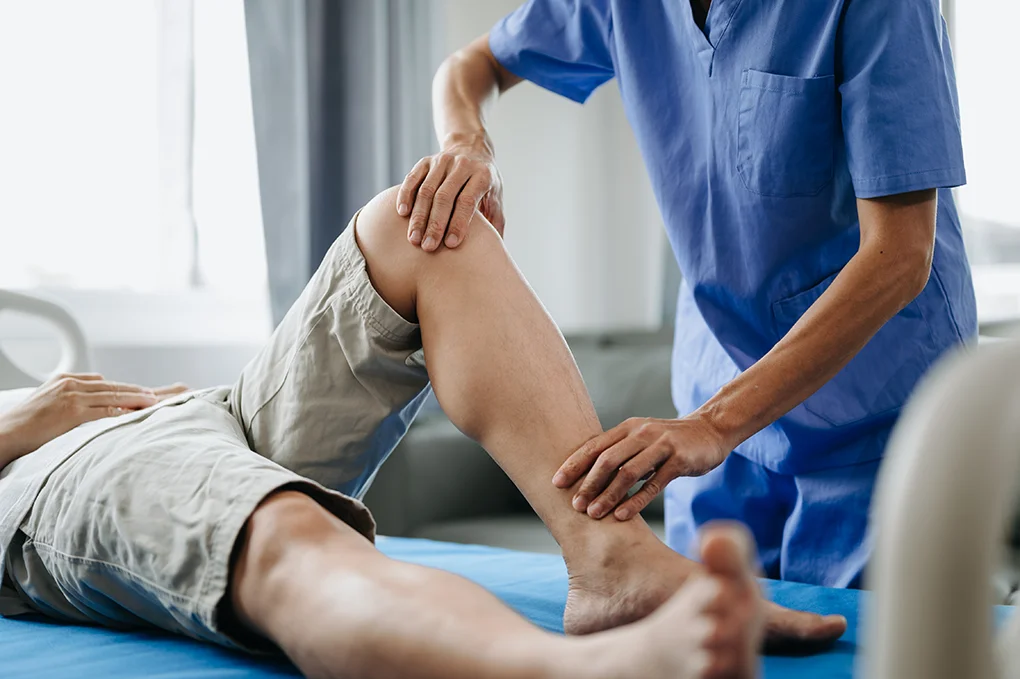
What is ACL Reconstruction?
The ACL is a vital stabilising ligament deep within the knee joint that controls rotation and prevents the shinbone from sliding out in front of the thighbone. When an ACL is completely ruptured or torn, it loses its capacity to heal on its own because it lacks an adequate internal blood supply. Learn more (link to ACL Injuries).
ACL reconstruction is a surgical procedure performed to replace the torn ligament with a strong, healthy tissue graft. This graft acts as a scaffolding framework over which your body will naturally grow new, living ligament tissue over time, ultimately rebuilding a stable and reliable knee.
When is ACL Reconstruction Recommended?
While some patients with lower physical demands can successfully manage an ACL tear through targeted non-operative rehabilitation alone, surgical reconstruction is frequently advised for individuals experiencing:
- Recurrent Instability: Ongoing episodes where the knee feels loose, untrustworthy, or physically gives way during normal daily movements.
- High-Demand Lifestyle Goals: A strong desire to return safely to multi-directional, pivoting sports such as AFL, netball, soccer, basketball, or skiing.
- Combined Structural Injuries: Cases where the ACL tear occurs alongside other treatable joint damage, such as a repairable meniscus tear or articular cartilage injury.
- Occupational Demands: Individuals working in heavy trades, emergency services, or roles requiring regular climbing, twisting, and lifting on uneven surfaces.
Graft Options and the Procedure
ACL reconstruction is performed using minimally invasive, arthroscopic (keyhole) techniques through small incisions around the knee. The most critical decision prior to surgery is selecting the most appropriate tissue graft to replace the damaged ligament.
Dr Liptak will discuss the structural advantages of each option in relation to your anatomy and sport-specific goals:
Hamstring Tendon Graft
The most common approach, utilising one or two of your own hamstring tendons from the inner side of the knee.
Patellar Tendon Graft
Utilising the central third of the patellar tendon along with small bone plugs from the kneecap and shinbone, known for its rapid bone-to-bone healing properties.
Quadriceps Tendon Graft
An increasingly utilised alternative that provides a thick, robust graft from the tendon just above the kneecap.
Recovery and Rehabilitation
At Adelaide Knee Clinic, we view surgery and rehabilitation as an inseparable partnership.
Dr Matthew Liptak firmly believes that the surgery is only part of the job the rest depends entirely on a committed, structured recovery. Achieving your mobility and long-term joint health goals requires an equal commitment to both phases.
Your recovery is a progressive, criteria-driven timeline that spans several months:
- Immediate Post-Op: Initial focus is entirely on controlling localised swelling, regaining full knee straightening (extension), and maintaining early muscle firing in the quadriceps.
- Mid-Stage Conditioning: Progressing to functional gym-based movements, balance training, and straight-line running once specific strength milestones are achieved.
- Sport-Specific Training: Advanced agility drills, pivoting exercises, and psychological readiness testing typically occur between 6 and 12 months post-surgery.
Understanding Surgical Risks and Considerations
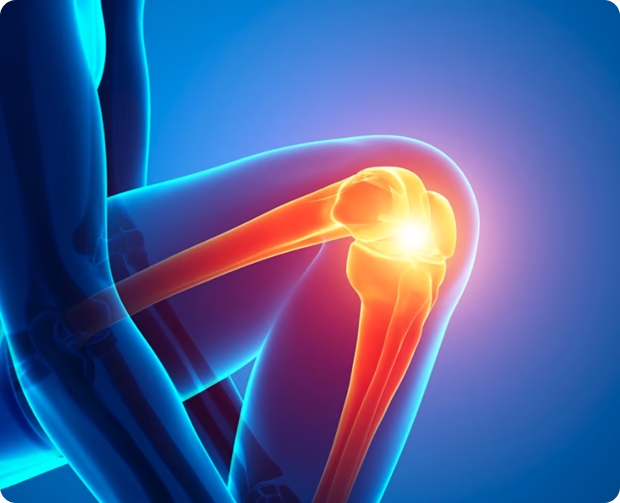
Every major surgical procedure carries inherent risks, and it is important to evaluate them objectively before proceeding. Potential complications associated with ACL reconstruction, while uncommon, can include localised infection, blood clots (deep vein thrombosis), delayed wound healing, joint stiffness or loss of motion, graft failure or re-tear, kneecap pain, and temporary numbness around the incisions. Dr Liptak will thoroughly review these risks during your pre-operative appointment to ensure you can make a fully informed treatment choice.

Take the first step towards better knee health
Experiencing joint pain? Managing a knee condition? Establishing a clear functional baseline is a highly effective way to begin your recovery.