
Patellar Dislocation & Tracking Issues in Adelaide
Kneecap Instability
Kneecap instability occurs when the kneecap (patella) does not slide smoothly within its natural groove, causing discomfort, a slipping sensation, or a complete dislocation. This condition can significantly disrupt physical activity, sports, and everyday confidence in your knee's structural stability.
At Adelaide Knee Clinic, led by experienced Adelaide orthopaedic surgeon Dr Matthew Liptak, we focus on identifying the underlying structural causes of patellar instability and delivering precise, individualised treatment pathways.
What is Kneecap Instability?
To understand kneecap instability, it helps to look at the anatomy of the front of the knee. The kneecap is designed to sit inside a V-shaped notch at the end of the thighbone, known as the trochlear groove. As you bend and straighten your leg, the kneecap should glide vertically up and down within this groove.
Instability occurs when the kneecap moves partially or completely out of this groove. This generally presents in two ways:
Patellar Subluxation
The kneecap slips partially out of alignment or rides unevenly along the edge of the groove, often causing a catching sensation or localised pain.
Patellar Dislocation
A severe event where the kneecap pops completely out of the groove, usually shifting toward the outside of the knee. This acute trauma stretches or tears the supporting ligaments on the inside of the joint.
Who Suffers from Kneecap Instability?
Kneecap instability is highly prevalent among adolescents and young athletes, though it can affect individuals of all ages. Common contributing factors include:
- Acute Sports Trauma: Sudden, forceful twisting movements or a direct blow to the knee during multi-directional sports such as netball, football, dancing, or gymnastics, can force the kneecap to dislocate.
- Anatomical Variations: Some individuals are born with structural features that make instability more likely, such as a shallow trochlear groove or a kneecap that sits unusually high (patella alta).
- Ligament Laxity: Generalised joint hypermobility or natural looseness in the body's connective tissues can reduce the knee's passive stability.
- Muscle Imbalances: Weakness or poor coordination in the quadriceps muscles, particularly the Vastus Medialis Obliquus (VMO) on the inner thigh, can cause the kneecap to be pulled out of alignment.
Symptoms and Diagnosis
Common Symptoms
Individuals dealing with patellar tracking issues or recurring instability often experience:
- A feeling of slipping or giving way: Sudden instability where the knee feels loose or untrustworthy during changes of direction or stepping down.
- Pain at the front of the knee: Persistent, aching discomfort behind or around the kneecap, which often worsens when squatting, climbing stairs, or sitting for long periods.
- Acute pain and deformity: In the event of a complete dislocation, the knee will appear visually deformed and cause intense pain until the kneecap is guided back into position.
- Rapid swelling and tenderness: Localised swelling and bruising along the inner edge of the kneecap following a dislocation, indicating a stretch or tear of the medial ligaments.
- Crepitus: A grinding or crunching sensation at the front of the knee during movement.
Achieving a Clear Diagnosis
Because kneecap instability can be driven by a combination of muscle weakness and bone structure, a comprehensive assessment is crucial:
- Clinical Assessment: A thorough physical examination to evaluate patellar tracking, check muscle strength, and perform specific mobility tests (such as the patellar apprehension test).
- X-Rays: Standing and specialised ‘sunrise’ views of the knee are performed to check the shape of your trochlear groove and rule out any associated bone fragments.
- MRI Scanning: Highly valuable after a first-time or recurrent dislocation to assess the Medial Patellofemoral Ligament (MPFL) for tears and check the joint surfaces for cartilage damage.
Treatment Options for Kneecap Instability
Treatment is highly customisable and focuses on preventing recurrent dislocations, relieving chronic front-of-knee pain, and restoring complete physical confidence.
1. Non-Surgical Rehabilitation (Conservative Management)
For first-time dislocations without bone fragments, or for general tracking issues, conservative physical therapy is highly effective:
- Immobilisation and Rest: Short-term use of a specialised brace or splint following an acute dislocation to allow the stretched inner ligaments to heal.
- Targeted Physiotherapy: A dedicated exercise program focusing heavily on strengthening the VMO muscle, core, and hip stabilisers to help pull the kneecap back into its correct central alignment.
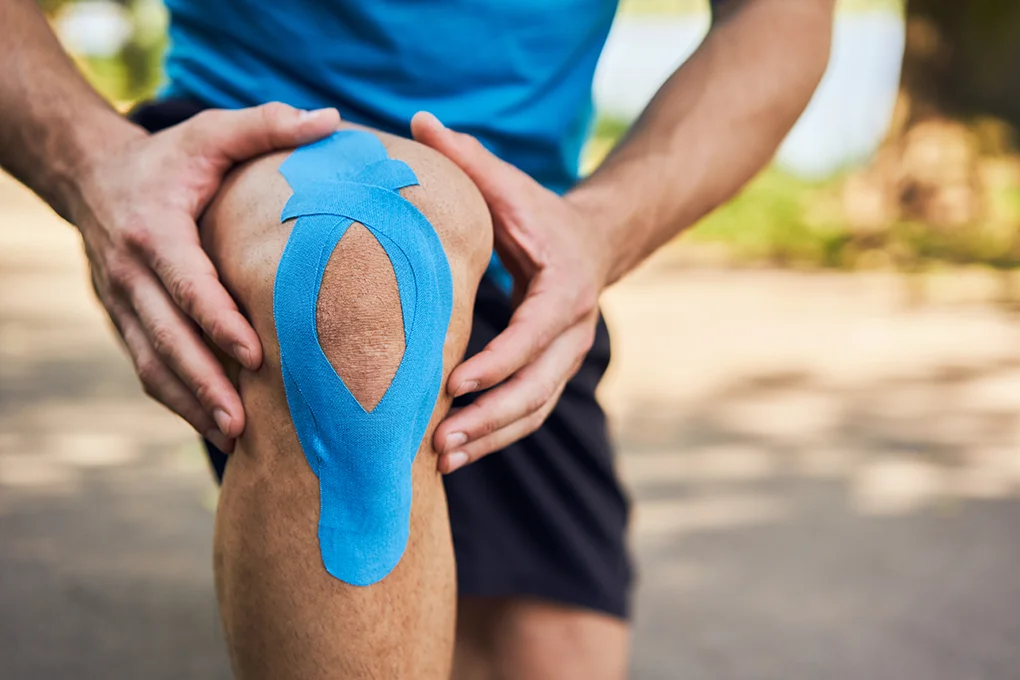
- Taping and Bracing: Utilising patellar tracking braces or structural taping techniques during sports to provide external stability and boost joint confidence.
2. Specialist Surgical Options
If you experience recurrent dislocations despite completing structured physical therapy, or if your imaging reveals a structural issue or cartilage damage, a surgical consultation with an orthopaedic surgeon is advised:
- Cusomt post type feed
- Medial Patellofemoral Ligament (MPFL) Reconstruction: The most common surgical procedure for recurrent instability. The torn or stretched ligament on the inside of the knee is reconstructed using a tissue graft to create a strong tether that keeps the kneecap centered.
- Tibial Tubercle Osteotomy (TTO): If structural alignment is the primary issue, the bone where the patellar tendon attaches to the shinbone is carefully repositioned to improve the alignment and reduce stress on the joint.
- Arthroscopic Debridement: Minimally invasive keyhole surgery to smooth down any rough cartilage surfaces behind the kneecap caused by repeated slipping or friction.
Take the first step towards better knee health
Experiencing joint pain? Managing a knee condition? Establishing a clear functional baseline is a highly effective way to begin your recovery.