
Restoring Knee Stability in Adelaide
ACL & Sports Injuries
Knee injuries are among the most frequent disruptions faced by athletes and active individuals in South Australia. Whether you have sustained a sudden twist on the footy field, a hard landing on the netball court, or a progressive strain from training, getting an accurate assessment is vital to safeguarding your long-term mobility.
At Adelaide Knee Clinic, led by experienced orthopaedic surgeon Dr Matthew Liptak, we provide comprehensive care for acute knee trauma, specialising in Anterior Cruciate Ligament (ACL) tears and complex sports-related injuries.
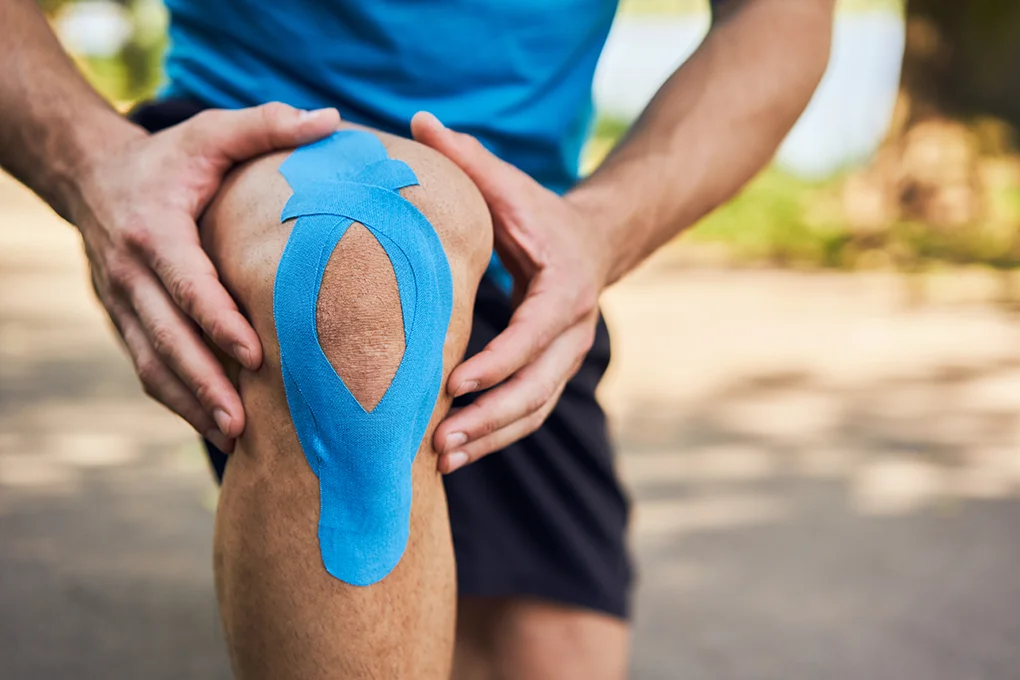
What is an ACL Injury?
The Anterior Cruciate Ligament (ACL) is one of the primary stabilising ligaments inside your knee joint. It runs diagonally through the middle of the knee, preventing the shinbone (tibia) from sliding out in front of the thighbone (femur), while also providing vital rotational stability during twisting and pivoting movements.
An ACL injury occurs when this ligament is overstretched or torn.
These injuries are clinically graded based on severity:
Grade 1 (Mild)
The ligament is mildly stretched but still manages to keep the knee joint stable.
Grade 2 (Moderate)
The ligament is partially torn, leading to a degree of joint looseness or instability.
Grade 3 (Severe)
A complete tear or rupture where the ligament is split into two, leaving the knee structurally unstable.
Who Suffers Knee Sports Injuries?
While sports injuries can happen to anyone, they are highly prevalent in high-demand, multi-directional sports common across Adelaide such as AFL, netball, soccer, basketball, and touch football.
Most ACL injuries are actually non-contact events. They typically happen when an athlete:
- Decelerates or changes direction sharply (cutting).
- Pivots firmly on a planted foot.
- Lands awkwardly from a jump.
- Receives a direct blow to the side of the knee during a tackle.
Symptoms and Diagnosis
Common Symptoms of an Acute Knee Injury
If you injure your knee during physical activity, you may experience:
- A Distinct ‘Pop’: Many patients report hearing or feeling a loud pop or snap inside the joint at the exact moment of injury.
- Sudden, Severe Pain: Acute pain that often makes it impossible to continue playing or bear weight on the leg.
- Rapid Swelling: Visible swelling within the first few hours, caused by bleeding inside the joint capsule.
- A Feeling of ‘Giving Way’: A distinct sensation that the knee is structurally unstable, loose, or unable to support your body weight.
- Restricted Range of Motion: Inability to fully straighten or bend the knee due to pain, swelling, or mechanical blocking.
Reaching a Clear Diagnosis
Early and accurate assessment prevents secondary damage to surrounding structures like the meniscus or joint cartilage. Diagnosis involves:
- Clinical Examination: Specialist physical testing (such as the Lachman or Anterior Drawer test) to check for ligament laxity.
- Imaging: While standard X-rays are used to rule out fractures, an MRI scan is the gold standard for confirming an ACL tear and evaluating associated soft-tissue damage.
Treatment Options for ACL & Sports Injuries
Management of a torn ACL has evolved significantly. Modern orthopaedic practice in Australia views recovery as an individualised process tailored entirely to your age, activity level, and functional goals.
Non-Surgical Rehabilitation (Conservative Management)
Not every ACL tear requires immediate surgery. For some individuals - particularly those with lower physical demands or those who do not experience ongoing instability, a structured exercise program may be highly effective:
- The RICER Protocol: Initial management focuses on controlling bleeding and swelling using Rest, Ice, Compression, Elevation, and Referral.
- Targeted Physiotherapy: Intensive rehabilitation under professional guidance to fully restore range of motion and aggressively strengthen the quadriceps and hamstrings to compensate for the ligament deficit.
- Functional Bracing: Utilising a specialised knee brace to provide external stability during day-to-day activities.
2. Surgical Reconstruction (Knee Reconstruction)
For individuals wishing to return to pivoting sports, those experiencing recurrent knee instability, or cases involving concurrent meniscal tears, surgical intervention is often advised.
- The Procedure: An ACL reconstruction involves removing the damaged ligament and replacing it with a tissue graft, most commonly utilising a portion of your own hamstring, patellar, or quadriceps tendon.
- Pre-operative Rehabilitation (‘Pre-hab’): Research demonstrates that allowing the initial swelling to settle and regaining knee strength before surgery significantly improves long-term surgical outcomes.
- Post-operative Recovery: A criteria-driven rehabilitation protocol spanning 6 to 12 months is essential to guide a safe, gradual return to sport and daily activities.
Take the first step towards better knee health
Experiencing joint pain? Managing a knee condition? Establishing a clear functional baseline is a highly effective way to begin your recovery.