
Keyhole Knee Surgery in Adelaide
Knee Arthroscopy
Knee arthroscopy is a minimally invasive surgical technique that allows a surgeon to view, diagnose, and treat structural issues inside the knee joint without making large incisions. Led by experienced Adelaide orthopaedic surgeon Dr Matthew Liptak, Adelaide Knee Clinic focuses on utilising arthroscopic surgery strategically, ensuring it is only recommended when clear, evidence-based indications are present.
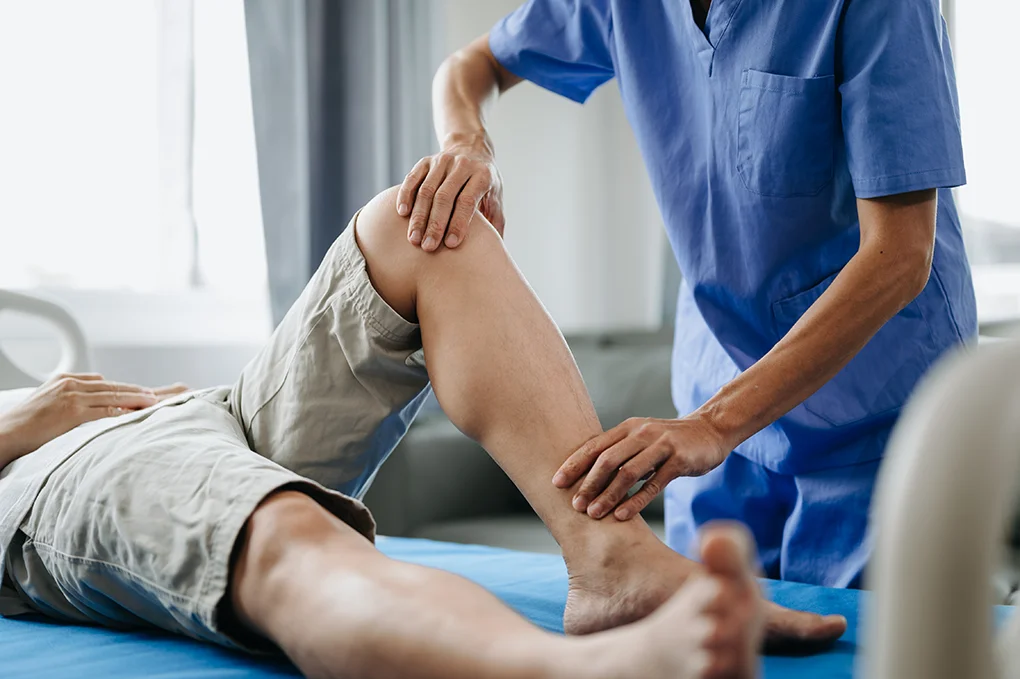
What is Knee Arthroscopy?
The term ‘arthroscopy’ comes from two Greek words: arthro (meaning joint) and skopein (meaning to look).
During the procedure, a small incision (about the size of a buttonhole)is made to introduce a miniature camera called an arthroscope. This camera transmits high-definition, magnified images of the inside of your knee onto a monitor, allowing the surgical team to thoroughly inspect the cartilage, ligaments, and meniscus. If structural damage is identified that can be addressed surgically, specialised, miniature instruments are inserted through a second small incision to repair or trim the affected tissue.
When is Knee Arthroscopy Recommended?
Knee arthroscopy is highly effective for addressing specific mechanical problems inside the joint. It is commonly considered for:
- Meniscus Tears: Trimming away a torn, unstable fragment of the meniscus (partial meniscectomy) or stitching a clean tear back together (meniscal repair) to restore smooth joint movement.
- Loose Bodies: Removing loose fragments of bone or cartilage that have broken off and are floating inside the joint capsule, causing the knee to catch, click, or lock.
- Cartilage Irregularities: Smoothing down localised areas of worn or frayed articular cartilage (chondroplasty) to reduce joint friction.
- Synovial Tissue Inflammation: Removing inflamed or diseased joint lining (synovium) that is causing chronic swelling and discomfort.
Important Clinical Distinction Regarding Osteoarthritis
It is important to note that knee arthroscopy is generally not indicated or effective for treating widespread, advanced knee osteoarthritis. When joint cartilage has worn down uniformly, keyhole surgery cannot regenerate the missing cushion. In these scenarios, advanced non-operative therapies or formal joint replacement surgery are typically the most appropriate treatment pathways.

The Procedure
What to Expect
Knee arthroscopy is routinely performed as a day surgery procedure, meaning you can generally return home on the same day as your operation.
Anaesthesia
The procedure is typically performed under a general or regional anaesthetic, which will be discussed and decided upon during your pre-operative consultation.
The Procedure
Once the area is prepared, the surgeon creates the small keyhole entries, inspects the joint structure, addresses the localised tissue damage, and flushes the joint with a sterile solution.
Closing the Incisions
The small incisions are closed using fine sutures or surgical tape, and the knee is covered with a soft, protective dressing.
Recovery and Rehabilitation
At Adelaide Knee Clinic, we view surgery and rehabilitation as an inseparable partnership.
Dr Matthew Liptak firmly believes that the surgery is only part of the job the rest depends entirely on a committed, structured recovery. Achieving your mobility and long-term joint health goals requires an equal commitment to both phases.
Your exact recovery timeline depends on the specific work performed inside your joint:
- Simple Trimming: If a loose fragment was removed or frayed tissue smoothed, you can typically bear weight early and gradually resume light activities over a few weeks.
- Structural Repair: If a torn meniscus or ligament was actively stitched back together, a protective phase involving crutches, braces, and restricted weight-bearing is required to let the tissue heal securely.
- Targeted Physical Therapy: A criteria-driven exercise programme is vital for every arthroscopy patient to safely restore knee range of motion, rebuild muscle strength, and correct walking patterns.
To guide you through every milestone of your rehabilitation, we have compiled step-by-step guides and recovery protocols tailored to your procedure.
Understanding Surgical Risks and Considerations
Every major surgical procedure carries inherent risks, and it is important to evaluate them objectively before proceeding. Potential complications associated with ACL reconstruction, while uncommon, can include localised infection, blood clots (deep vein thrombosis), delayed wound healing, joint stiffness or loss of motion, graft failure or re-tear, kneecap pain, and temporary numbness around the incisions. Dr Liptak will thoroughly review these risks during your pre-operative appointment to ensure you can make a fully informed treatment choice.
Take the first step towards better knee health
Experiencing joint pain? Managing a knee condition? Establishing a clear functional baseline is a highly effective way to begin your recovery.